Secrets of Sleep
Why sleep changes after 50, and the practical fixes that actually work — from one of New Zealand’s leading sleep specialists.
Built by
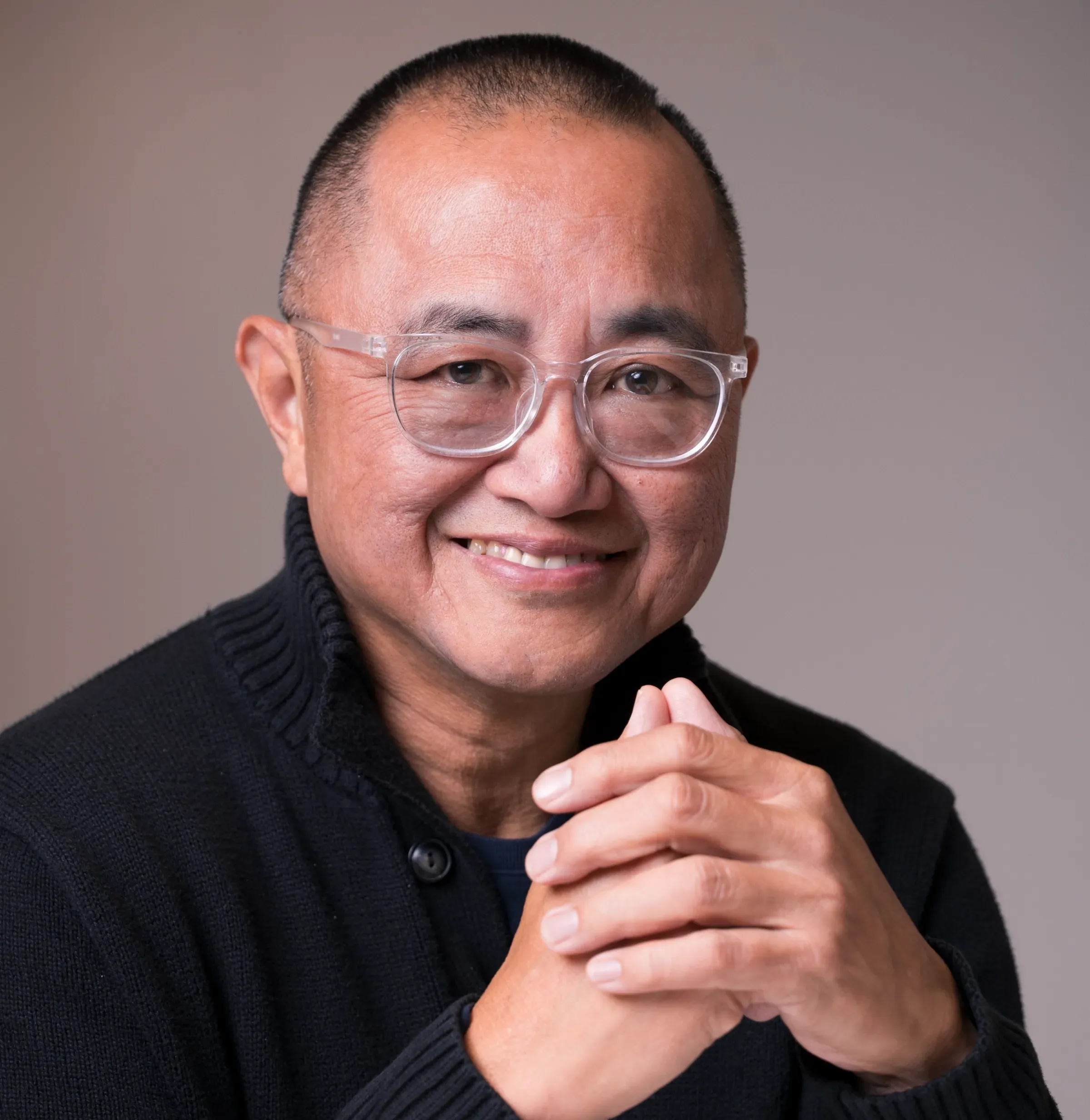
Dr Tony Fernando
Psychiatrist & sleep specialist
Dr Tony Fernando is a psychiatrist, sleep specialist, educator, former Buddhist monk, author and speaker who brings together clinical expertise, academic achievement and lived experience. Born and initially trained in the Philippines, Tony earned his medical degree from the University of the Philippines before completing residency training in psychiatry and fellowship training in sleep medicine at the University of Pennsylvania. After moving to New Zealand, he worked as a consultant psychiatrist and sleep specialist and spent nearly two decades teaching at the University of Auckland, where he was a Senior Lecturer in Psychological Medicine. He received more than a dozen teaching awards from medical students, as well as the University’s Butland Award for Sustained Teaching Excellence. Tony is Australasia’s only psychiatrist formally trained in insomnia. He also has particular expertise in the unusual field of sleep-related violence and has advised on both clinical and medico-legal cases. His work has been recognised internationally. In 2012, he received a Presidential Award from the President of the Philippines for his contributions to sleep medicine and medical education. In 2015, the New Zealand Medical Association presented him with its Chair’s Award, its highest distinction for doctors, in recognition of his work on physician wellbeing. Driven by a longstanding interest in compassion, Tony completed his PhD in Psychiatry at the University of Auckland in 2025, investigating why doctors lose compassion in medicine. His research has been widely published, and he has co-organised national conferences on compassion in healthcare. Tony’s interest in compassion is not only academic. He has been temporarily ordained as a Buddhist monk in both Myanmar and New Zealand, experiences that deepened his meditation practice and understanding of compassion in everyday life. These experiences, together with his work in psychiatry and neuroscience, helped inspire his book Life Hacks from the Buddha (HarperCollins, 2024), which translates ancient Buddhist psychology into practical tools for modern life. Life Hacks from the Buddha has become an international bestseller. It has been published in New Zealand, Australia, South Korea, India, Germany, Russia and the Philippines, with a Polish edition forthcoming and translation rights also sold for Thai, Japanese and Taiwanese Chinese editions. In South Korea, the book reached number one in its category in 2026 and entered the country's top ten books overall. Tony’s work extends well beyond universities and hospitals. For around three years, he volunteered weekly at Mt Eden Corrections Facility in Auckland, teaching mindfulness and emotional balance to prisoners. He continues prison work in the Philippines, teaching men at Manila City Jail and Mandaluyong City Jail. During the COVID-19 lockdowns, he also recorded guided meditations for New Zealand prisoners who were confined to their cells for up to 23 hours a day. As a speaker and educator, Tony runs courses and workshops on sleep, happiness, positive psychology, stress, compassion and wellbeing, combining contemporary science with practical insights from Buddhist psychology. Outside medicine, Tony has his own stories of fear, perseverance and doing things badly before doing them better. Despite a lifelong fear of deep water, he took up ocean swimming and has since crossed Auckland Harbour several times and competed as the swimmer in triathlon relay events. He also took up the cello as an adult — another reminder, he says, that we do not have to be naturally gifted, fearless or young to begin something meaningful. Audiences find Tony warm, humorous and deeply human. He weaves together stories from medicine, prison work, monastic life and his own struggles with insights from psychology, neuroscience and Buddhist wisdom. Behind all of this is a simple aim: to help people suffer less and live with more compassion, balance, joy — and better sleep.
View profile



Physical · Coming soon
Secrets of Sleep
Why sleep changes after 50, and the practical fixes that actually work — from one of New Zealand’s leading sleep specialists.
Dr Tony Fernando · Psychiatrist & sleep specialist
Built by
Dr Tony Fernando
Psychiatrist & sleep specialist
Dr Tony Fernando is a psychiatrist, sleep specialist, educator, former Buddhist monk, author and speaker who brings together clinical expertise, academic achievement and lived experience. Born and initially trained in the Philippines, Tony earned his medical degree from the University of the Philippines before completing residency training in psychiatry and fellowship training in sleep medicine at the University of Pennsylvania. After moving to New Zealand, he worked as a consultant psychiatrist and sleep specialist and spent nearly two decades teaching at the University of Auckland, where he was a Senior Lecturer in Psychological Medicine. He received more than a dozen teaching awards from medical students, as well as the University’s Butland Award for Sustained Teaching Excellence. Tony is Australasia’s only psychiatrist formally trained in insomnia. He also has particular expertise in the unusual field of sleep-related violence and has advised on both clinical and medico-legal cases. His work has been recognised internationally. In 2012, he received a Presidential Award from the President of the Philippines for his contributions to sleep medicine and medical education. In 2015, the New Zealand Medical Association presented him with its Chair’s Award, its highest distinction for doctors, in recognition of his work on physician wellbeing. Driven by a longstanding interest in compassion, Tony completed his PhD in Psychiatry at the University of Auckland in 2025, investigating why doctors lose compassion in medicine. His research has been widely published, and he has co-organised national conferences on compassion in healthcare. Tony’s interest in compassion is not only academic. He has been temporarily ordained as a Buddhist monk in both Myanmar and New Zealand, experiences that deepened his meditation practice and understanding of compassion in everyday life. These experiences, together with his work in psychiatry and neuroscience, helped inspire his book Life Hacks from the Buddha (HarperCollins, 2024), which translates ancient Buddhist psychology into practical tools for modern life. Life Hacks from the Buddha has become an international bestseller. It has been published in New Zealand, Australia, South Korea, India, Germany, Russia and the Philippines, with a Polish edition forthcoming and translation rights also sold for Thai, Japanese and Taiwanese Chinese editions. In South Korea, the book reached number one in its category in 2026 and entered the country's top ten books overall. Tony’s work extends well beyond universities and hospitals. For around three years, he volunteered weekly at Mt Eden Corrections Facility in Auckland, teaching mindfulness and emotional balance to prisoners. He continues prison work in the Philippines, teaching men at Manila City Jail and Mandaluyong City Jail. During the COVID-19 lockdowns, he also recorded guided meditations for New Zealand prisoners who were confined to their cells for up to 23 hours a day. As a speaker and educator, Tony runs courses and workshops on sleep, happiness, positive psychology, stress, compassion and wellbeing, combining contemporary science with practical insights from Buddhist psychology. Outside medicine, Tony has his own stories of fear, perseverance and doing things badly before doing them better. Despite a lifelong fear of deep water, he took up ocean swimming and has since crossed Auckland Harbour several times and competed as the swimmer in triathlon relay events. He also took up the cello as an adult — another reminder, he says, that we do not have to be naturally gifted, fearless or young to begin something meaningful. Audiences find Tony warm, humorous and deeply human. He weaves together stories from medicine, prison work, monastic life and his own struggles with insights from psychology, neuroscience and Buddhist wisdom. Behind all of this is a simple aim: to help people suffer less and live with more compassion, balance, joy — and better sleep.
View profile