SupplementationLongevityMentalPhysical
Creatine Is Not Just a Gym Supplement: Here's What the Aging Research Actually Shows
By 2nd Half · 5 min read · Nov 10, 2026
For thirty years, creatine lived in one box: the white tub on the bench at the gym, scooped by twenty-somethings chasing a bigger bench press. If you’re in the 2nd Half of life, you probably filed it under “not for me” a long time ago.
That filing was a mistake. Some of the most interesting creatine research of the last few years has nothing to do with getting jacked. It’s about holding onto muscle as you age, protecting the brain, and staying functional and independent for longer. The science isn’t perfect, and there’s plenty of hype to cut through, but the signal is real. Here’s what it actually says.
What creatine actually is
Creatine isn’t a drug or a steroid. It’s a compound your body already makes and stores, mostly in muscle, where it helps recycle the energy your cells burn during short, hard efforts. You also get it from red meat and fish. The catch is that the amount you can eat is modest, your natural stores aren’t topped up, and there’s some evidence that levels drift down with age, right when you need the buffer most.
Supplementing simply tops up the tank. That’s the whole mechanism. No magic, just more available energy in the tissues that use it.
The muscle case is the strongest
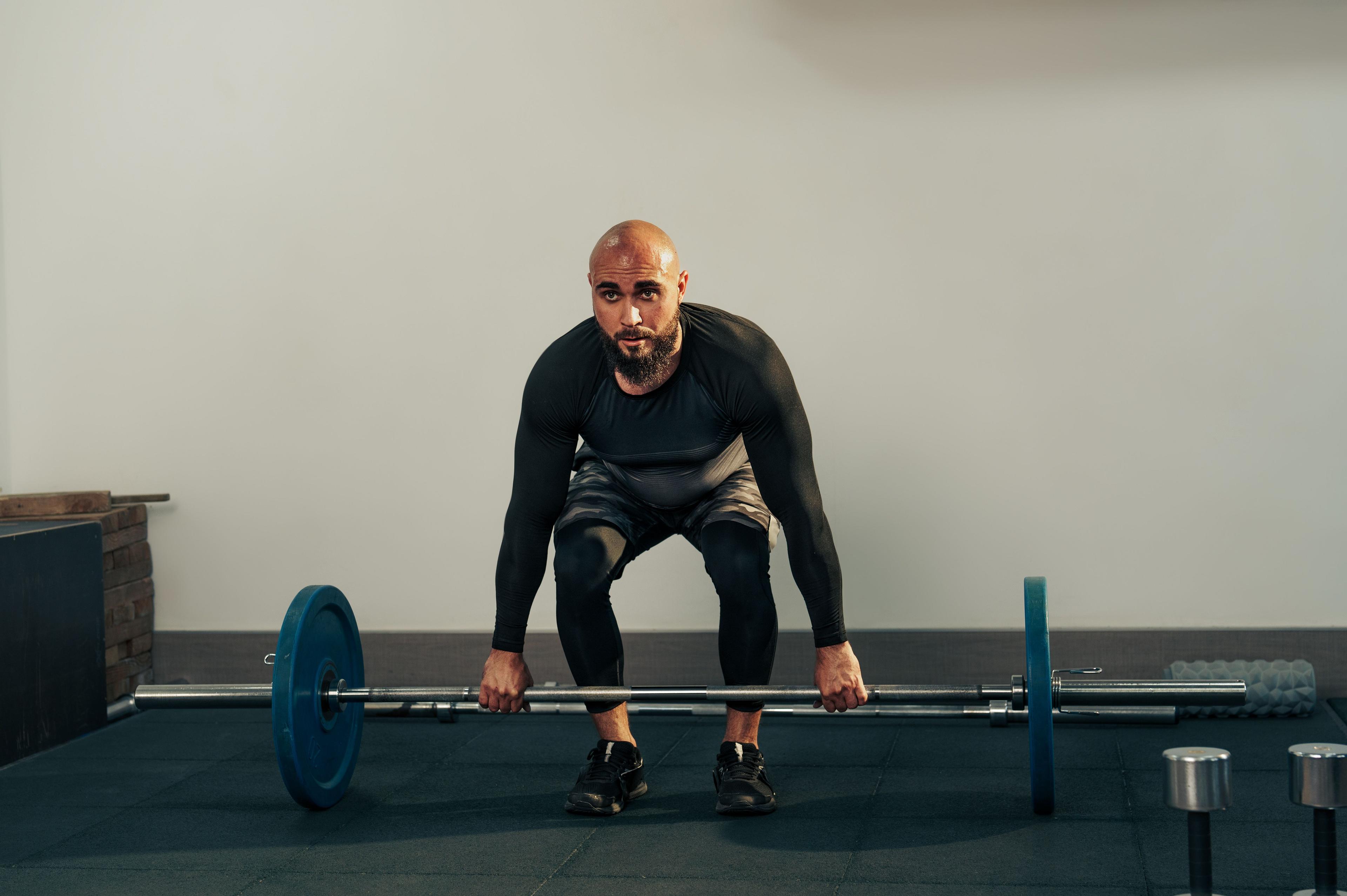
This is where the evidence is most settled, and it matters more than it sounds. After about 50, most people lose muscle steadily, a process called sarcopenia, and that loss is one of the biggest drivers of frailty, falls, and lost independence later on.
Resistance training is the foundation. Nothing replaces it. But the research consistently shows that adding creatine on top of lifting does more than lifting alone. Pooled analyses in older adults find that creatine plus resistance training adds roughly 0.9 to 1.3 kg of lean muscle and improves strength beyond what training delivers by itself. In some trials, the combination was enough to move people out of the “sarcopenic” category entirely.
Read that again, because it’s the headline. This isn’t about looking better in a singlet. It’s about keeping the muscle that lets you carry groceries, get off the floor, and stay out of a care facility. The strength gains are most reliable in the upper body, with lower-body results more mixed, but the direction is clear and consistent.
Creatine plus resistance training adds roughly 0.9 to 1.3 kg of lean muscle, beyond what lifting delivers on its own.
The crucial caveat: creatine is a multiplier on training, not a replacement for it. Take it and sit on the couch, and you get very little. The muscle benefit shows up when you’re actually putting load through the body.
The brain angle is newer and genuinely intriguing
Your brain is an energy hog, and creatine plays the same energy-buffering role there as it does in muscle. That’s the theory behind a wave of cognition research, and the most consistent finding lands squarely on our side of the fence: the clearest benefits show up in older adults, particularly for memory.
Reviews of healthy people find memory improvements concentrated in the 66 to 76 age range, and benefits also appear when the brain is under strain, sleep deprivation being the classic example. If you’ve had a broken night and feel mentally foggy the next day, that’s exactly the kind of high-demand state where creatine seems to help most.
Honest framing matters here, though. The cognitive effect is best described as moderate and context dependent, not dramatic. Some researchers have re-run the numbers and found the memory benefit holds up mainly in older adults and gets shakier in younger, well-rested people. So treat the brain story as promising rather than proven, a likely bonus on top of the muscle benefit, not the reason to start on its own.
The clearest brain benefits show up in older adults, particularly for memory, concentrated in the 66-to-76 age range.
Bone health: real but more demanding
Bone is the area where enthusiasm has gotten ahead of the data. The simple version, “creatine builds stronger bones,” isn’t supported. Multiple analyses show creatine plus training doesn’t reliably raise bone mineral density compared with training alone.
But there’s a more nuanced picture underneath. Some longer studies using higher doses (8 to 10 g/day) alongside resistance training have shown improvements in bone geometry and bending strength, and a slower rate of bone-density loss over time. And as with muscle, the exercise stimulus is non-negotiable. Creatine on its own, without training, does nothing for bone. So it’s potentially helpful for skeletal health, but only as part of a loaded, working program, and the bar is higher than for muscle.
Is it safe?
This is usually the real question behind the hesitation, and the answer is reassuring. Creatine monohydrate at 3 to 5 grams a day is one of the most studied supplements in existence, and long-term trials, including in older, frail, and medically fragile people, some running up to five years, show no meaningful harm to kidney or liver function in healthy users.
The persistent “creatine wrecks your kidneys” myth comes from a misreading of blood markers, not from actual damage. That said, two sensible cautions that we recommend, if you have existing kidney disease, diabetes, or high blood pressure, talk to your doctor before starting. And expect to carry a little extra water weight early on, that’s the muscle storing more fluid, which is the point, not a side effect to worry about.
At 3 to 5 grams a day, creatine is one of the most studied supplements there is, with no meaningful harm to kidney or liver function in healthy users.
How to actually do it
You don’t need the fancy versions, the loading rituals, or the timing tricks the marketing pushes. The practical version is almost boringly simple:
Take 3 to 5 grams of plain creatine monohydrate every day. It’s the cheapest, most-researched form, and nothing has been shown to beat it. Timing barely matters, pick a time of day that you’ll remember and stick to it, because daily consistency is what fills the tank, not when you take it. Mix it into water, coffee, or a smoothie. And pair it with resistance training, because nearly every benefit above shows up alongside actually loading your muscles, not instead of it.
Creatine is a multiplier on training, not a replacement for it.
The bottom line
Creatine got typecast as a gym supplement for young men, and that label has quietly cost a lot of people in their 2nd Half a cheap, safe, well-evidenced tool. The strongest case is muscle, keeping the strength that keeps you independent. The brain benefits are a promising bonus, strongest exactly when you’re older. The bone story is real but demands more. None of it works without the training underneath.
It won’t turn back the clock. But staying strong, sharp, and on your own two feet for longer? That’s the whole game in the 2nd Half, and on the current evidence, creatine earns a place in it.
This article is for general information and isn’t medical advice. Check with your GP before starting creatine or any other supplement, especially if you have kidney disease, diabetes or high blood pressure, or take regular medication.
2nd Half. The best is yet to come.
2NDHALF.CO.NZ
Sources
- Chilibeck PD et al. (2017). Effect of creatine supplementation during resistance training on lean tissue mass and muscular strength: a meta-analysis. Open Access Journal of Sports Medicine (opens in new tab)
- Lanhers C et al. (2017). Creatine supplementation and upper limb strength performance. Sports Medicine (opens in new tab)
- Prokopidis K et al. (2023). Effects of creatine supplementation on memory in healthy individuals. Nutrition Reviews (opens in new tab)
- Rawson ES, Venezia AC (2011). Use of creatine in the elderly and evidence for effects on cognitive function in young and old. Amino Acids (opens in new tab)
- Candow DG et al. (2022). Creatine supplementation for older adults. Nutrients (opens in new tab)

2nd Half
More articles

Mental
"It's an illness, and you get better": what JK learned about depression
By 2nd Half · 8 min read

Connection
The longevity tactic nobody puts on their list: your mates
By 2nd Half · 7 min read
Longevity
Your Real Age Isn't on Your Driver's Licence: Biological Age vs Birth Age for NZ Men in 2026
By 2nd Half · 7 min read